 Hutch
Hutch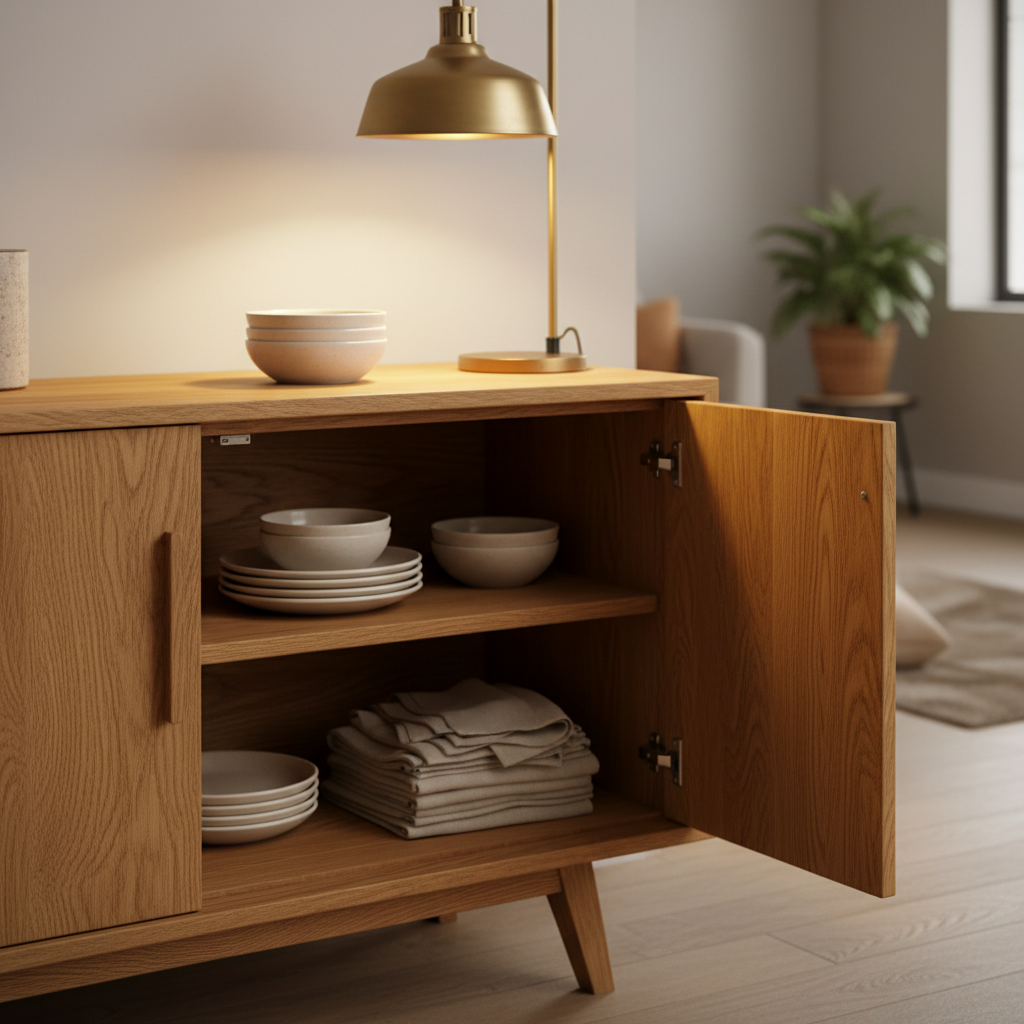
Where everything
belongs.
A sideboard built for the Sunday roast platter, the linen napkins ironed once a year, and the whiskey glasses that only come out when old friends stay late.
Proportioned for
real rooms.
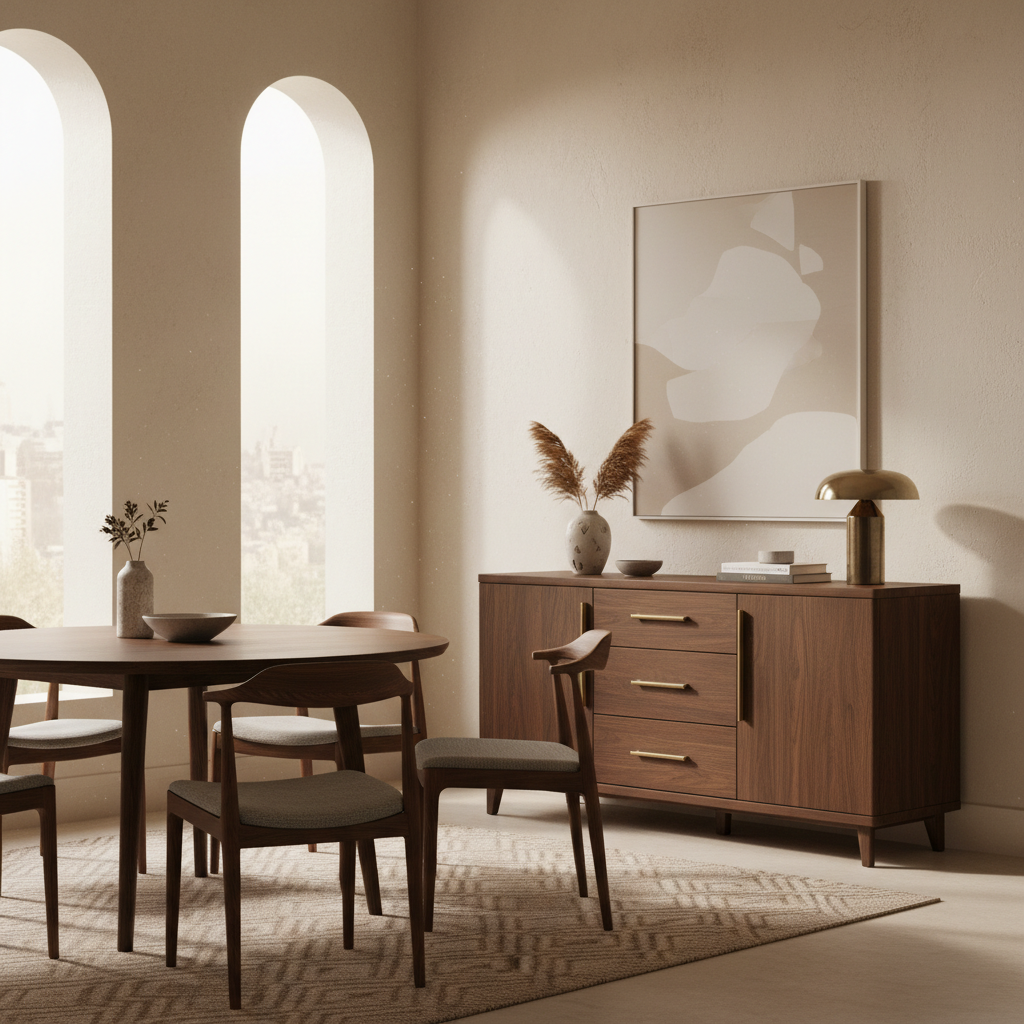
At 84 inches wide and 36 inches tall, the Hutch sideboard was designed around a specific measurement: the clearance between a dining chair pushed back and a wall you still want to walk past. It sits below most windowsills. It doesn't compete with the table.
Three interior configurations — open shelving, adjustable drawers, and a combination — let it hold everything from a full dinner service to a record collection. The back panel accepts a standard cable grommet for anyone running a media setup from the dining room.
Explore the CollectionEvery inch
accounted for.
Built to be
inherited.
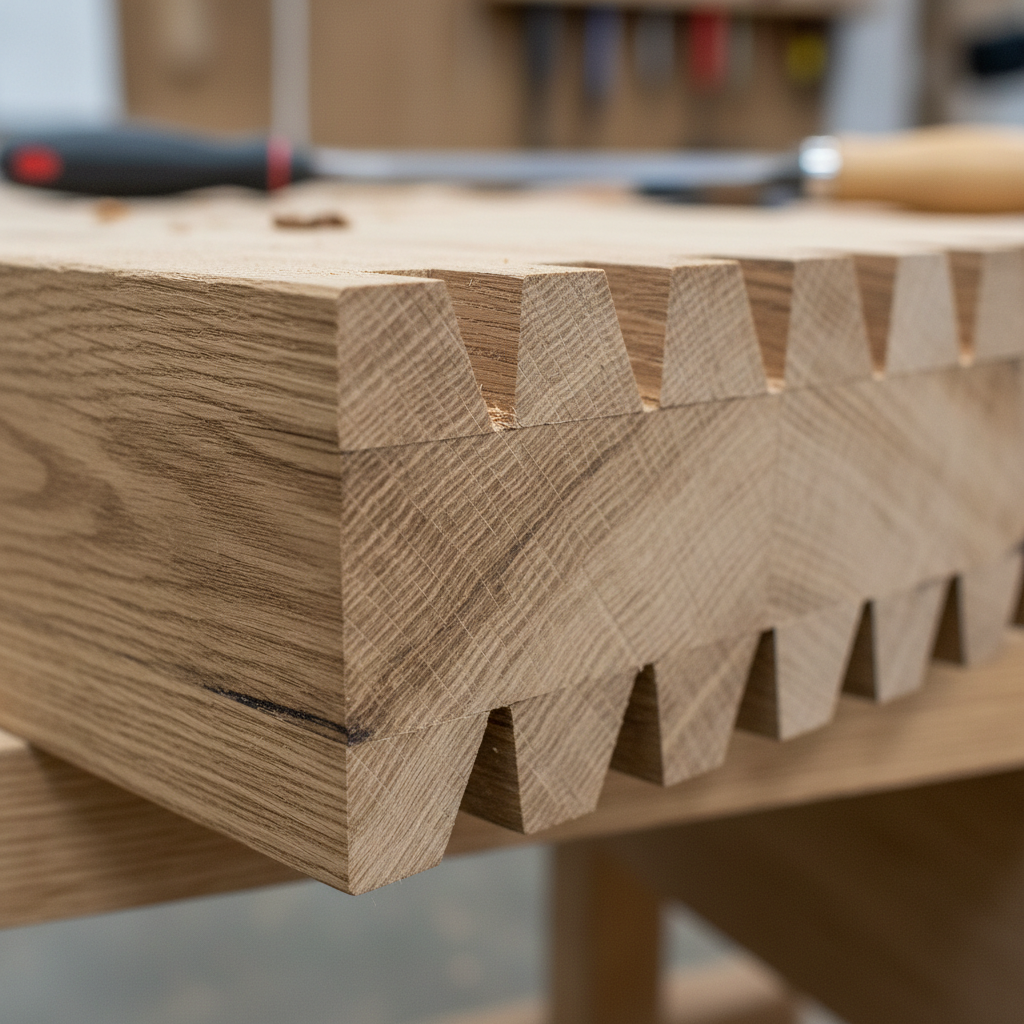
Hand-cut dovetail joints.
Each drawer is fitted with hand-cut dovetails — 14 per corner — that lock without glue and tighten with age. A machine cannot produce this angle. A CNC router cannot feel the grain.
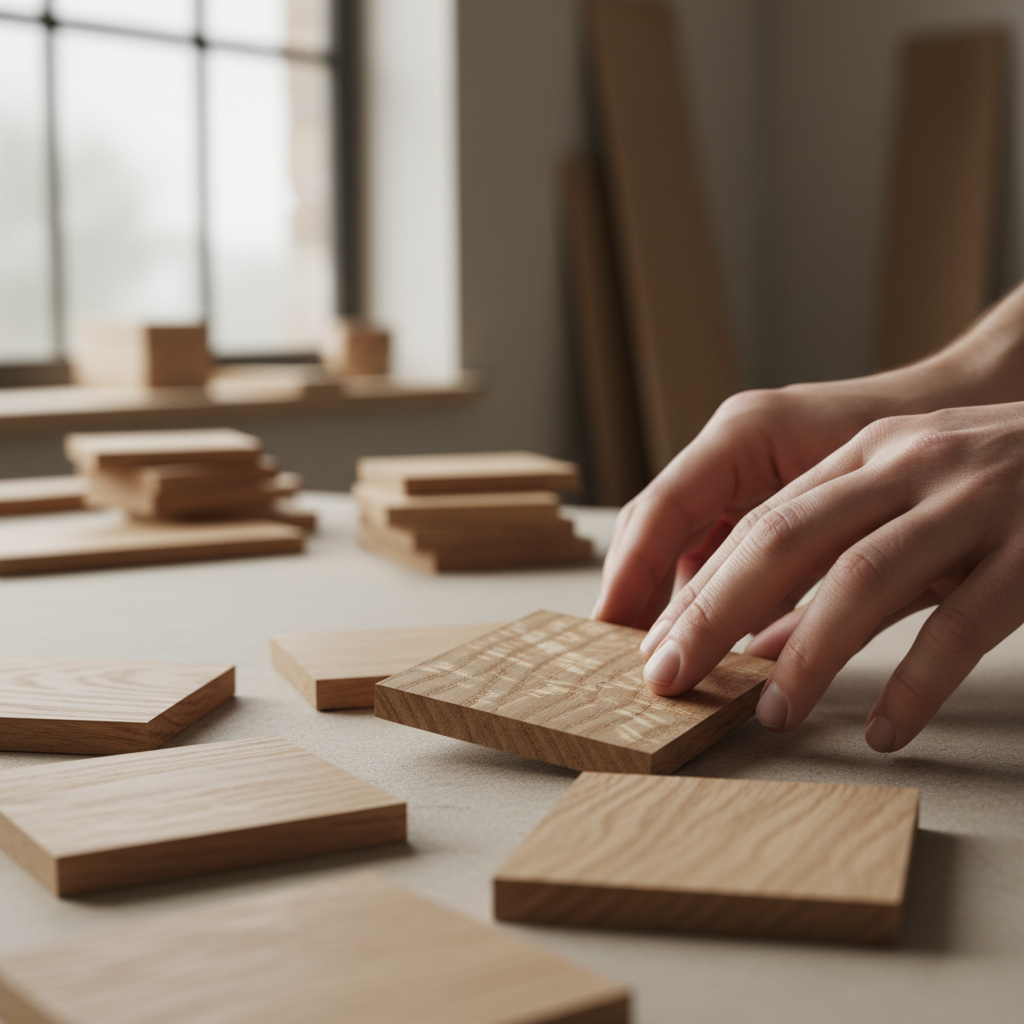
Quarter-sawn white oak.
Sourced from managed forests in the Appalachian Ridge, Pennsylvania. Quarter-sawn for stability — it moves less across the seasons than flat-sawn timber, and the medullary ray figure is a signature of this method.
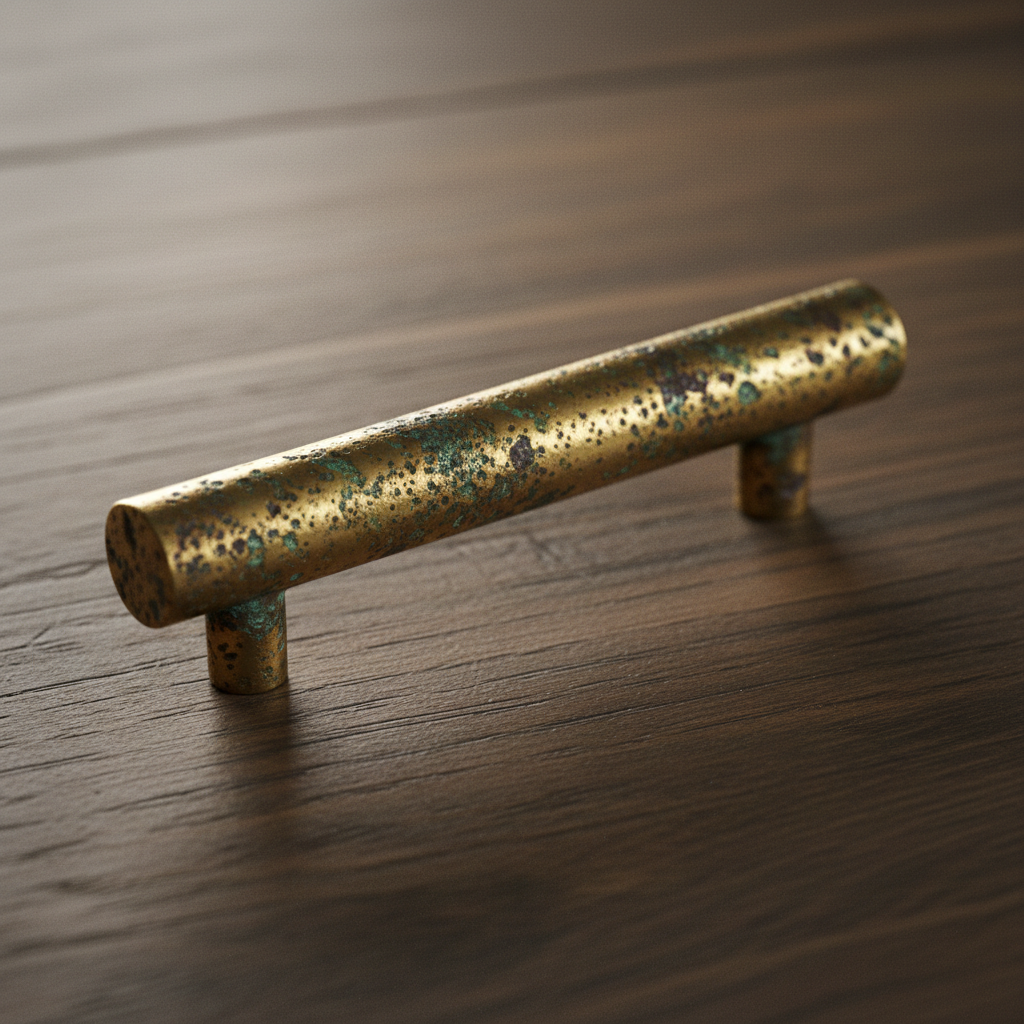
Solid brass, unlacquered.
The pulls are cast in solid brass and left unlacquered — they will darken and develop a patina particular to your house, your hands, and your habits. Replaceable. Irreplaceable.
All timber is sourced from Clearfield County, Pennsylvania — a forest system managed under FSC Chain of Custody certification. We work with one sawyer. We have for eleven years. The boards are air-dried for a minimum of 18 months before they reach the workshop.
The table was always
the gathering point.
The sideboard is what makes the table work — holding everything it needs before the meal and after it. These are the people who know that.
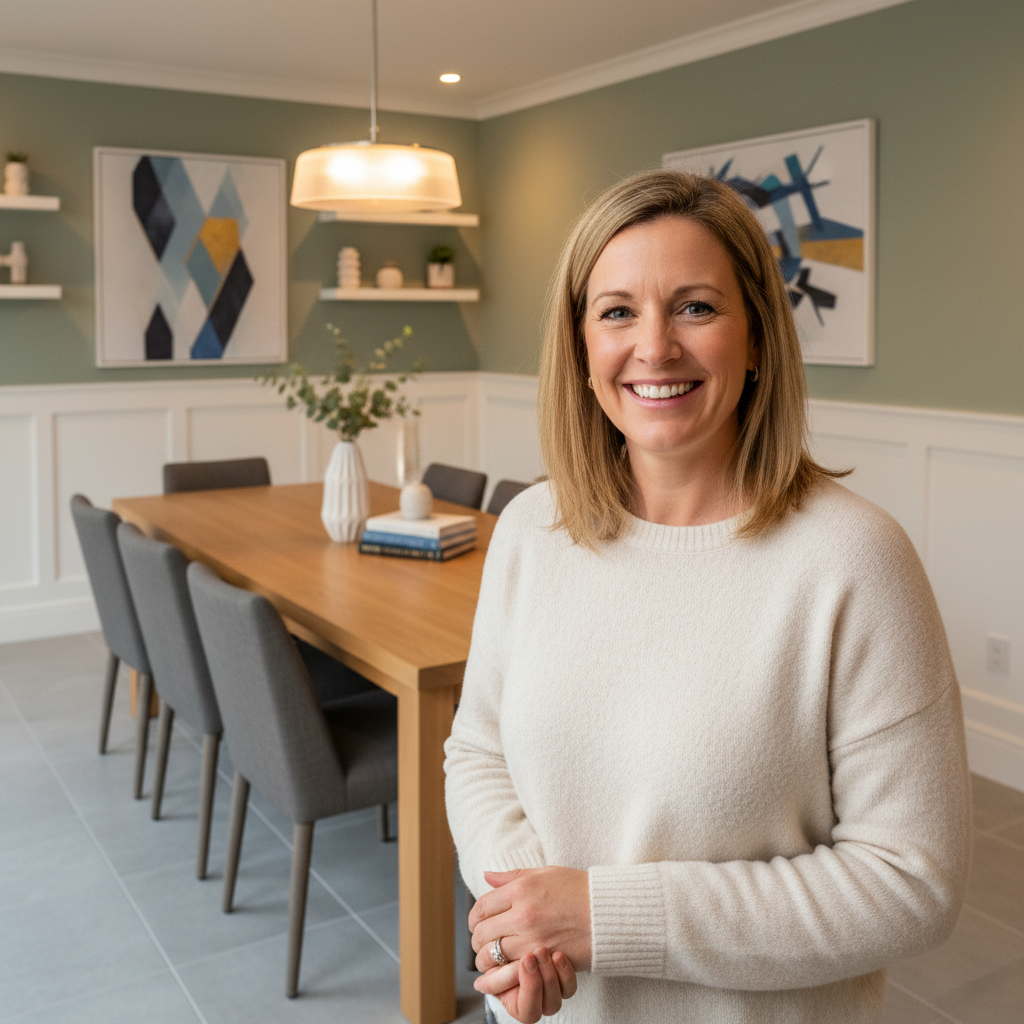
"We ripped out a built-in from 1987 and needed something that could hold the same weight — without looking like furniture from a catalog."
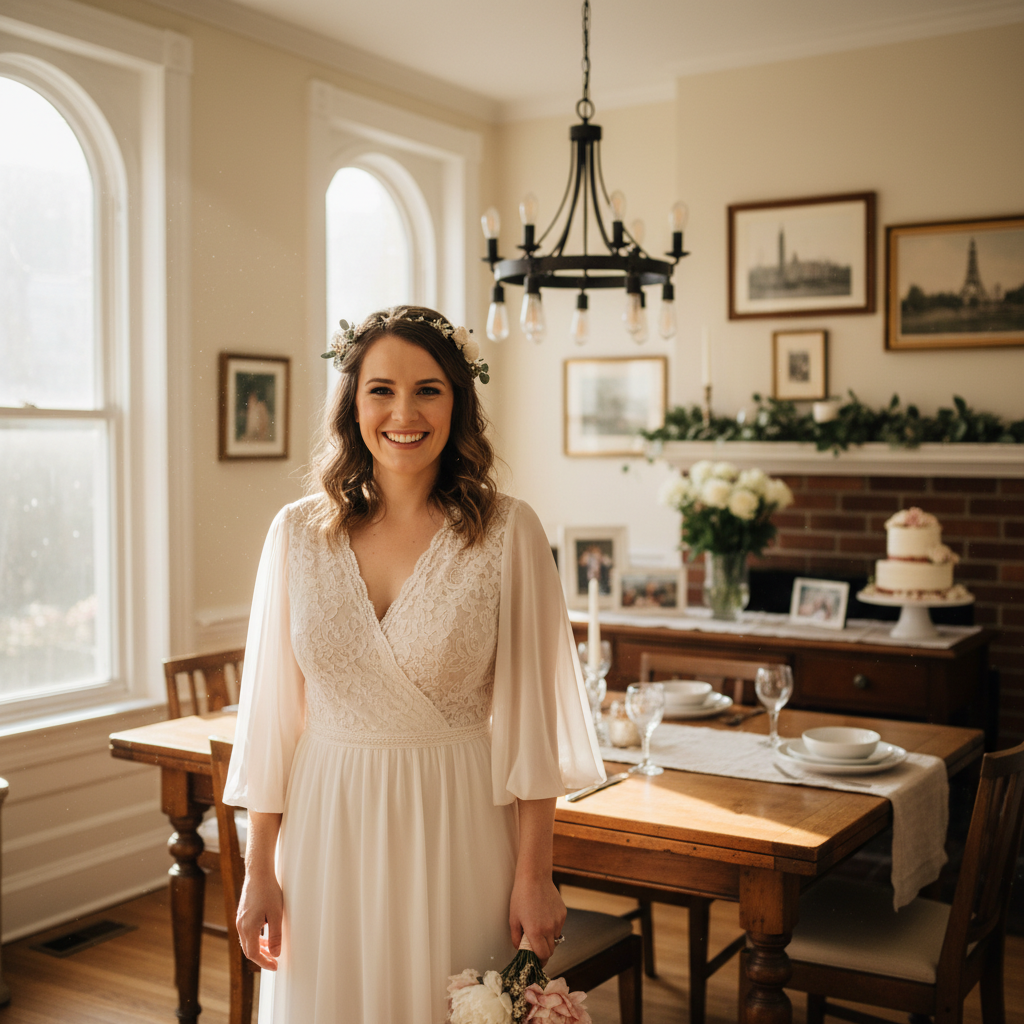
"We got married in October. By December, the Hutch was the first piece of furniture we both agreed on without a single compromise."
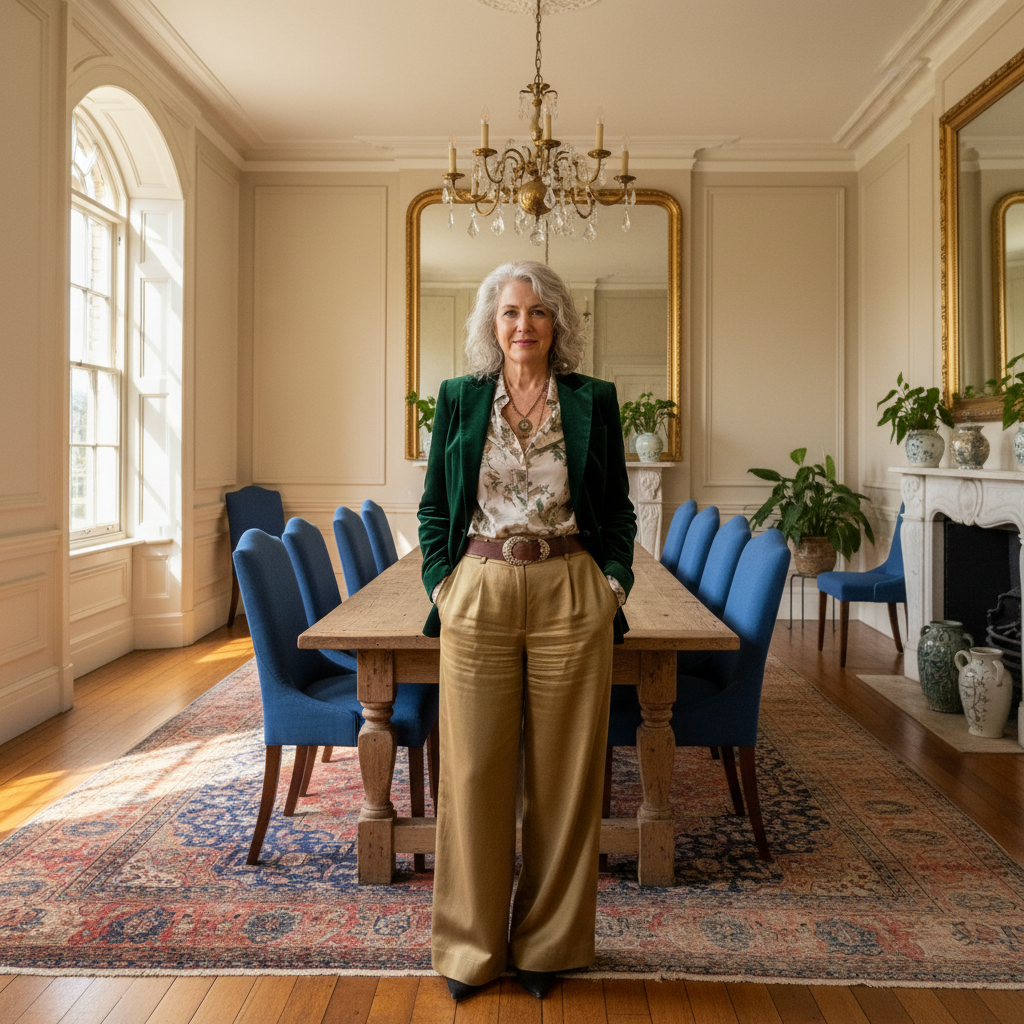
"The dining room was a homework station for twelve years. Getting it back — and doing it properly — felt like a small ceremony."
Ready to find your configuration?
Three wood tones. Three interior layouts. One lead time: 8–10 weeks.